


A closer look at the BIA’s latest sector report and what it means for the future of CGT in the UK
Dec 9, 2025

Efficiency, Scale and the Role of Cohesive CMC and Manufacturing Planning
The BioIndustry Association’s new report offers a timely and honest snapshot of where the UK’s cell and gene therapy sector stands today. It recognises the scientific strength that has defined the UK for the past decade, but it also reflects a sector looking ahead to a more demanding phase, where efficiency, scalability and practical delivery matter as much as scientific excellence.
The report includes a case study on eXmoor Pharma, highlighting how our integrated consultancy and GMP model supports this shift. Below, we share the themes that stood out most clearly and why they matter for developers, investors and the wider healthcare ecosystem.
A sector steadying itself and moving forward
The report notes that investment patterns have changed since the pandemic years, but the fundamentals remain strong. Capital flows have stabilised at levels well above pre-2018, and both early and late-stage developers continue to attract meaningful support from domestic and international investors.
Clinically, the UK remains active, with Phase I and I/II trials continuing to dominate. This reflects a steady stream of translational innovation and a robust environment for early human studies. At the same time, the sector is maturing. Manufacturing capacity has grown significantly, and more companies are turning their attention to scale, cost and reproducibility as essential drivers of long-term success.
The efficiency challenge
One of the strongest messages in the report is that efficiency will determine how competitive the UK remains on a global stage.
Cell and gene therapies are technically demanding to make, and every inefficiency is amplified by the complexity of these products. The companies featured in the report show how the sector is responding with practical, measurable innovation:
- Autolomous has cut QA review time by up to 65% by digitising manufacturing workflows, with even larger gains in more complex batches.
- Cellular Origins is demonstrating how robotic automation can reshape throughput, labour requirements and Cost of Goods, making higher-volume delivery more realistic.
- Sartorius, through its collaboration with UCL, has shown how a fully automated, closed cell therapy system can reduce CoGs by 45% and shorten production time.
Each of these examples illustrates the same point: greater efficiency is not a “nice to have.” It is central to improving patient access, controlling costs and building a manufacturing base capable of supporting wider clinical adoption.
A shifting regulatory and geopolitical landscape
The report also highlights the role of regulation and policy in shaping the next phase of growth. The MHRA continues to lead internationally with proportionate regulation for rare diseases and new guidance on Decentralised Manufacturing, which allows innovative products to be manufactured closer to patients when appropriate.
Broader geopolitical uncertainty adds another dimension. As supply chains are re-evaluated globally, the UK has an opportunity to position itself as a trusted manufacturing hub. Realising this opportunity will require the UK to maintain both agility and efficiency across research, development and production.
eXmoor Pharma Case Study
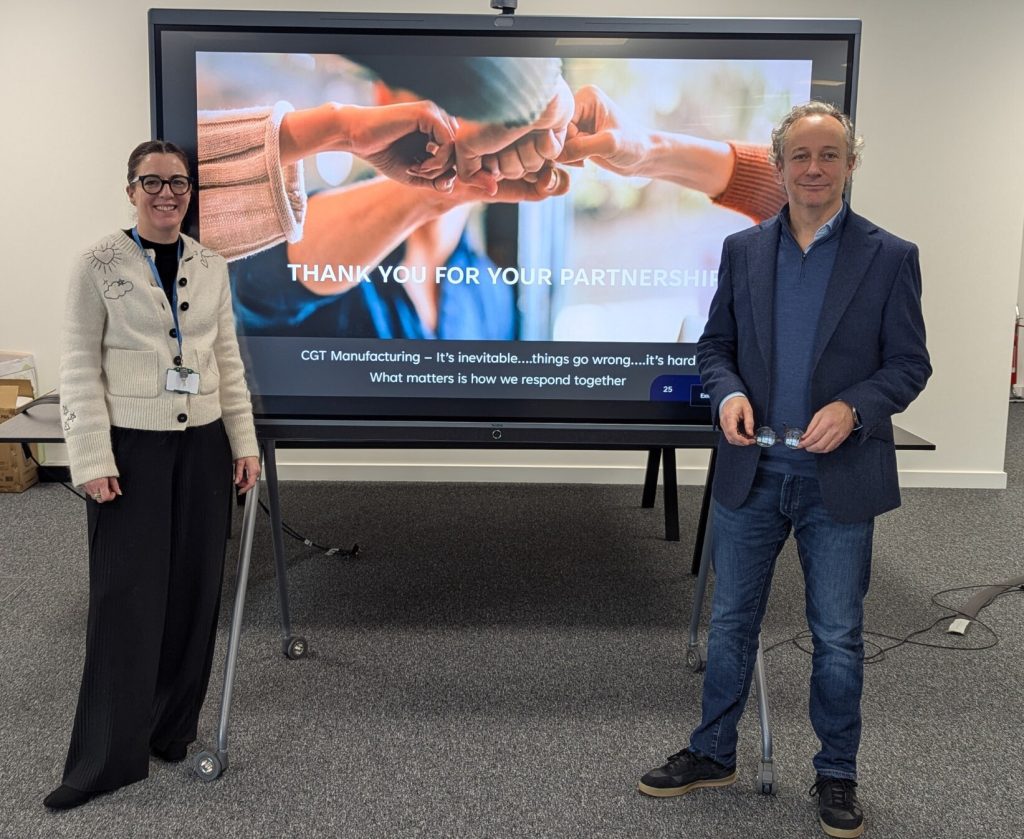
An integrated model built for long-term progress
We were proud to be included as one of the four UK companies showcased for driving efficiency and innovation. The case study focuses on our combined consultancy and GMP model, and how it helps clients reduce risk and move faster by aligning early development decisions with long-term manufacturing strategy.
Connecting strategy and execution
Many delays in CGT development arise because early choices around process design, regulatory strategy or analytical plans are not linked to eventual GMP requirements. Our model aims to close that gap. By working with clients from their earliest stages, we help shape CMC plans that are practical, scalable and ready for regulatory scrutiny long before they reach GMP manufacture.
A real example of partnership
The report highlights our long relationship with Quell Therapeutics, which began over a decade ago and has evolved into a cohesive development and GMP partnership. Because our consultants supported Quell’s programmes from the outset, including interim leadership and QP input, the eventual technology transfer into our facility was considerably faster and more transparent than a typical first-time transfer. Shared history and aligned strategy meant fewer surprises and a smoother path into clinical production.
For the UK ecosystem, this demonstrates how stability, continuity and early strategic planning can materially accelerate progress for complex therapies.

“Having worked together for over a decade, eXmoor’s deep expertise and hands-on support were essential in bringing our first Treg product into clinical trials.”
Looking ahead
The BIA’s conclusion is optimistic, but also realistic. The UK has world-leading science, experienced teams and strong infrastructure. What comes next will depend on how well the sector can turn these strengths into efficient, scalable delivery systems that work for developers, investors and patients.
At eXmoor Pharma, we believe this future depends on more connected models of development and manufacturing. By combining consultancy, process development, analytical services and GMP manufacturing under one integrated approach, we aim to help innovators move forward with clarity, confidence and a development path that is ready for scale.
Early input from regulatory and translational experts helps shape a realistic testing plan, one that not only satisfies current needs but can evolve with regulatory expectations.
Read the full report
You can explore the full digital report, including all four case studies and the BIA’s recommendations for the sector, here.
Latest News

FDA’s CGT Flexibilities: Clarity for Developers, Complexity for Strategy
Mar 20, 2026
Blog
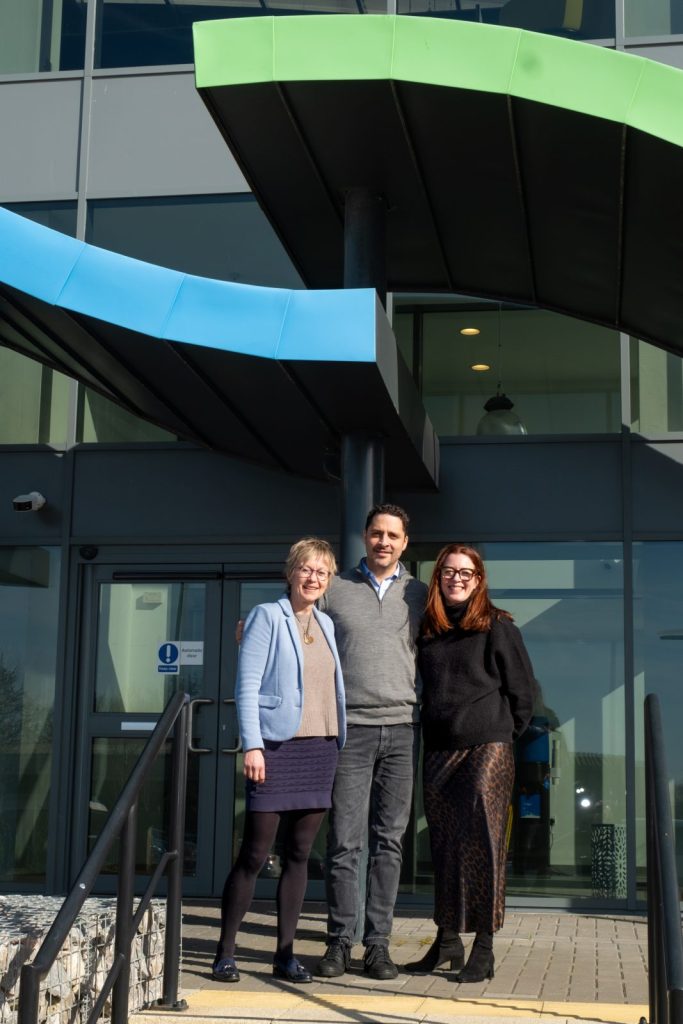
eXmoor Pharma appoints Manuel Balbuena as Chief Commercial Officer to strengthen global commercial strategy
Mar 3, 2026
Industry News
Lucy Foley appointed to BioPhorum Strategic Advisory Board
Feb 6, 2026
Industry News
Let’s Accelerate Your Therapy Together
Whether you're in early-stage development or scaling up for commercial production, eXmoor Pharma provides the expertise and flexibility you need. Partner with us to move your therapy forward with confidence.