


Adding a named QP can solve a capacity need, but only if the role, access and responsibilities are right from the outset. Read this blog to understand the key checks manufacturers should make before adding a QP to their licence.
Aug 24, 2026
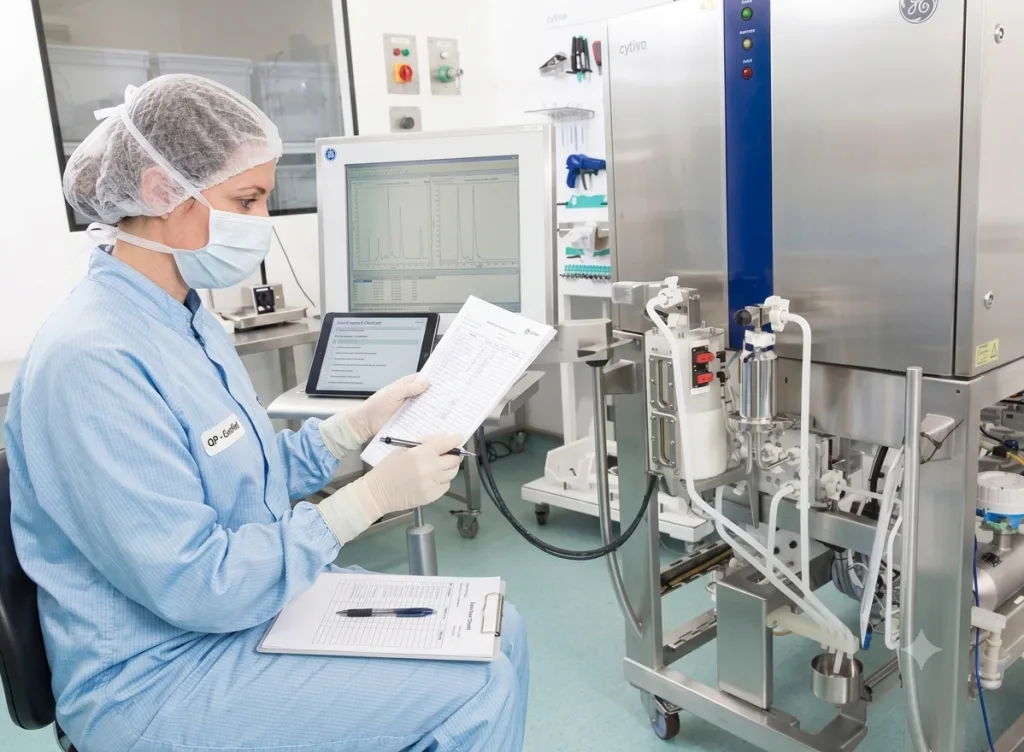
What to consider before adding a named QP to your licence
Adding a Qualified Person to a manufacturing authorisation is not simply a case of finding someone who is eligible and available. Before taking on the role, a QP needs enough understanding of the site, its products, processes and Pharmaceutical Quality System to be comfortable with the responsibility they are accepting.
For manufacturers, the appointment therefore needs to be treated as more than an administrative step. This is particularly relevant in cell and gene therapy and other aseptic or sterile manufacturing environments, where the product, process and supply chain can make QP oversight more complex.
Drew Hope, Senior Bio Manufacturing & Compliance Consultant and UK Qualified Person at eXmoor Pharma, has worked both inside manufacturing organisations and as a contract QP.
His view is simple:

“If the first time a QP sees a problem is at the point of batch certification, then the issue has usually started much earlier.”
So what should manufacturers think about before adding a named QP to their licence?
Start with the role you actually need
The starting point is not always the same.
Some manufacturers need extra certification capacity as volumes increase. Others need cover for an existing QP, support while they build internal capability, or a longer-term contracted arrangement.
The scope of the manufacturing authorisation, the products involved and the responsibilities already held within the team will all shape the role.
Before someone is added as a named QP, both sides need to be clear about what they are responsible for and where that responsibility sits alongside Quality, Manufacturing and Technical Operations.
The manufacturer needs confidence that the right level of QP support is available. The QP needs confidence that they will have enough access and oversight to discharge their responsibilities properly.
Give the QP time to understand the operation
Reviewing the manufacturing authorisation is only one part of onboarding.
A QP needs to understand the Pharmaceutical Quality System, how the product is manufactured and tested, the facilities and equipment involved, critical suppliers and outsourced activities, and how quality decisions are made.
They also need to know the people behind those systems.
For Drew, that familiarity is what allows a QP to make reasoned decisions rather than simply review documentation at the end of the process.
It can also expose unclear responsibilities, duplicated activity or gaps in how information moves through the organisation. That does not mean the QP is there to audit the site from day one. It means they need to understand the environment in which they are being asked to take responsibility.
For manufacturers working to a tight timeline, this needs to be allowed for early. A QP cannot realistically become familiar with a complex manufacturing operation overnight.
Make sure the QP can work within your Pharmaceutical Quality System
A QP cannot operate at arm’s length from the systems that support certification decisions.
They need appropriate access to documentation, personnel and relevant quality processes. That includes visibility of deviations and investigations, change controls, CAPAs and other issues that may affect product quality, compliance or batch disposition.
The aim is to avoid significant issues first surfacing when the batch reaches final review.
Manufacturing and Quality teams still retain their own responsibilities, but experienced QP involvement can help make sure conclusions are supported by a clear rationale and that potential certification issues are considered while there is still time to act.
So the question is not simply:
“Can this QP certify our batches?”
It is also:
“Will they have the access and involvement needed to understand the decisions behind those batches?”
Look beyond eligibility
Eligibility matters, but it does not tell you whether someone is the right QP for a particular manufacturing environment.
Relevant product and process experience can be important, especially where there are specific technical or quality risks.
In cell and gene therapy, that may include aseptic manufacture, contamination control, complex starting materials, short shelf lives or decentralised supply chains. Those considerations can look very different from one product or manufacturing model to another.
Drew advises manufacturers to look at relevant product and dosage-form experience, experience of working within site quality systems, judgement under pressure and the ability to communicate effectively with site leadership.
Alternatively, if a QP is moving into the CGT from another pharmaceutical sector they may need experienced support while they become familiar with a different product and manufacturing environment. Such a move can be appropriate with the assistance and guidance of another QP with more directly relevant experience.
Be realistic about capacity
Adding another QP does not automatically solve a capacity problem.
Manufacturers need to look beyond expected batch numbers and consider the wider workload around certification.
Investigations, change controls, audits, inspections and other quality activities all take time. So do periods of peak manufacturing activity and planned absence.
This is especially important where contracted QP support is being used as additional or backup capacity. Scope and expectations are better agreed from the outset than allowed to expand informally as demand increases.
Think beyond batch certification
Batch certification is a core QP responsibility, but it sits within a much broader quality environment.
Depending on the site and the agreed scope, an experienced QP may also contribute to regulatory inspections, client audits, supplier oversight, quality risk management, contamination control or the development of internal capability.
Drew’s view is that good contract support should strengthen the client team rather than create greater dependence on an external resource.
That does not mean every QP arrangement needs to include all of these activities. It does mean manufacturers should be clear about what they need from the relationship before the individual is formally added to the authorisation.
Before adding a named QP, ask:
- Is the scope of responsibility clearly defined?
- Does the QP have relevant experience for our products and manufacturing environment?
- Have they had enough time to understand our Pharmaceutical Quality System?
- Will they have appropriate access to people, systems and information?
- Is the expected certification and wider quality workload realistic?
- Are escalation routes and decision-making responsibilities clear?
- Does the arrangement complement the responsibilities of our internal Quality and Manufacturing teams?
- Will the support model still work if manufacturing activity increases?
Getting these points clear at the outset makes it easier to establish a QP arrangement that works in practice, not just on the manufacturing authorisation.
Download this checklist
Contract QP support from eXmoor Pharma
eXmoor Pharma provides contracted Qualified Person support for CGT manufacturers, CDMOs and organisations operating their own GMP facilities.
Our QPs work within the client’s Pharmaceutical Quality System, licence scope and operating model, with responsibilities agreed around the needs of the individual operation.
If you are considering ongoing QP support, additional capacity or backup cover, explore our Contract QP Services for GMP Manufacturers and CDMOs or contact us to discuss your requirements.
Latest News

Independent CGT Manufacturers Join Forces to Give Developers one Front Door to Global CGT Manufacturing
Oct 6, 2026
Industry News

eXmoor Pharma and Evox Therapeutics complete technology transfer programme for exosome-enabled gene editing technology
Jul 21, 2026
Industry News

eXmoor Pharma strengthens operational and technical leadership with two appointments
May 12, 2026
Industry News
Let’s Accelerate Your Therapy Together
Whether you're in early-stage development or scaling up for commercial production, eXmoor Pharma provides the expertise and flexibility you need. Partner with us to move your therapy forward with confidence.